Kansas
Kansas is the stark, gray prairie home of Dorothy, her Uncle Henry, and Aunt Em, a place defined by its relentless, monochrome landscape and the hard, joyless life it imposes on its inhabitants. It is the starting point of Dorothy's extraordinary journey and the object of her deepest longing, representing the irreplaceable value of home against which the wonders of Oz are measured. The entire narrative of The Wonderful Wizard of Oz is framed by Dorothy's departure from and return to this seemingly ordinary place, making Kansas the story's emotional and geographical anchor.
Identity and Landscape
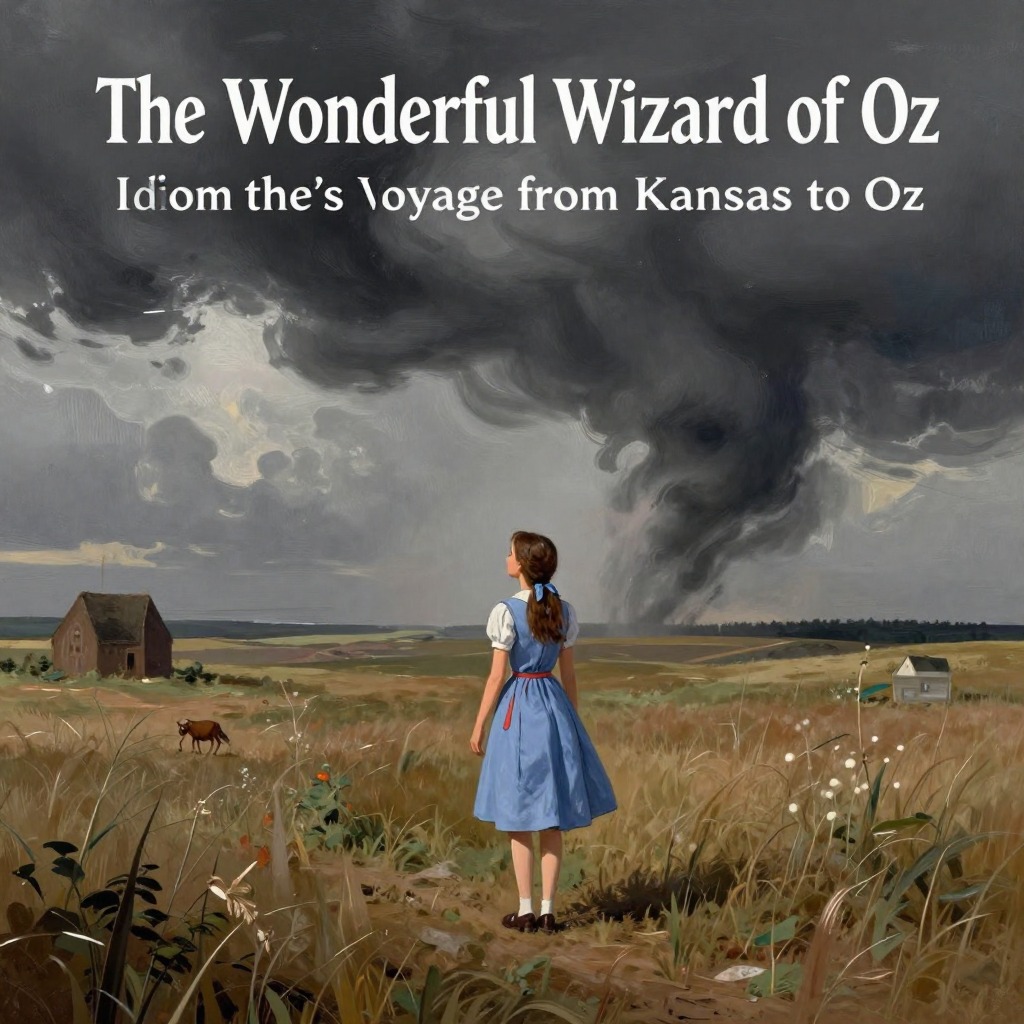
Kansas is presented as a land of overwhelming grayness and flatness. The house where Dorothy lives with her aunt and uncle is a single room, built from lumber hauled many miles by wagon, containing a rusty cookstove, a few chairs, and beds. The great Kansas prairies stretch to the sky in every direction, broken by neither tree nor house. The sun has baked the plowed land into a gray mass with little cracks, and even the grass is not green, its tops burned to the same gray color. The house itself, once painted, has been blistered by the sun and washed by the rain until it is as dull and gray as everything else. This environment has physically and emotionally shaped its people: Aunt Em, once a young, pretty wife, has had the sparkle taken from her eyes and the red from her cheeks and lips, leaving her thin, gaunt, and unsmiling; Uncle Henry never laughs, works from morning till night, and looks stern and solemn. The only relief from this pervasive grayness is Toto, a little black dog whose merriment saves Dorothy from growing as gray as her surroundings.
The Cyclone and Departure
The cyclone that carries Dorothy away is a direct product of the Kansas environment. Uncle Henry, sitting on the doorstep, anxiously watches the sky, which is even grayer than usual. A low wail of wind comes from the north, and a sharp whistling from the south, and the long grass bows in waves before the coming storm. When Uncle Henry calls out, "There's a cyclone coming, Em," he runs to look after the stock, while Aunt Em screams for Dorothy to run for the cyclone cellar—a small, dark hole dug in the ground, reached by a trap door and a ladder. In the chaos, Dorothy cannot reach the cellar in time; the house is caught at the exact center of the cyclone, raised higher and higher, and carried miles and miles away. The Kansas farmhouse, a symbol of the plain, hard life, becomes the vehicle that transports Dorothy to the marvelous Land of Oz.
The Object of Longing
Throughout her adventures in Oz, Kansas remains Dorothy's constant goal. When the Munchkins and the Witch of the North tell her she cannot easily return home, she begins to sob, feeling lonely among strange people. Her desire to return is so powerful that the Witch of the North's magic cap writes the command, "LET DOROTHY GO TO THE CITY OF EMERALDS," setting the entire quest in motion. When the Scarecrow, marveling at the beauty of Oz, cannot understand why she would wish to leave it for the "dry, gray place" she calls Kansas, Dorothy explains, "No matter how dreary and gray our homes are, we people of flesh and blood would rather live there than in any other country, be it ever so beautiful. There is no place like home." This sentiment is the story's central theme. Even after Oz tasks her with killing the Wicked Witch of the West, Dorothy's primary motivation remains the hope of seeing Aunt Em and Uncle Henry again. When she finally meets Glinda, her greatest wish is to get back to Kansas, fearing that Aunt Em will think something dreadful has happened and put on mourning, and that Uncle Henry cannot afford it unless the crops are better.
The Return
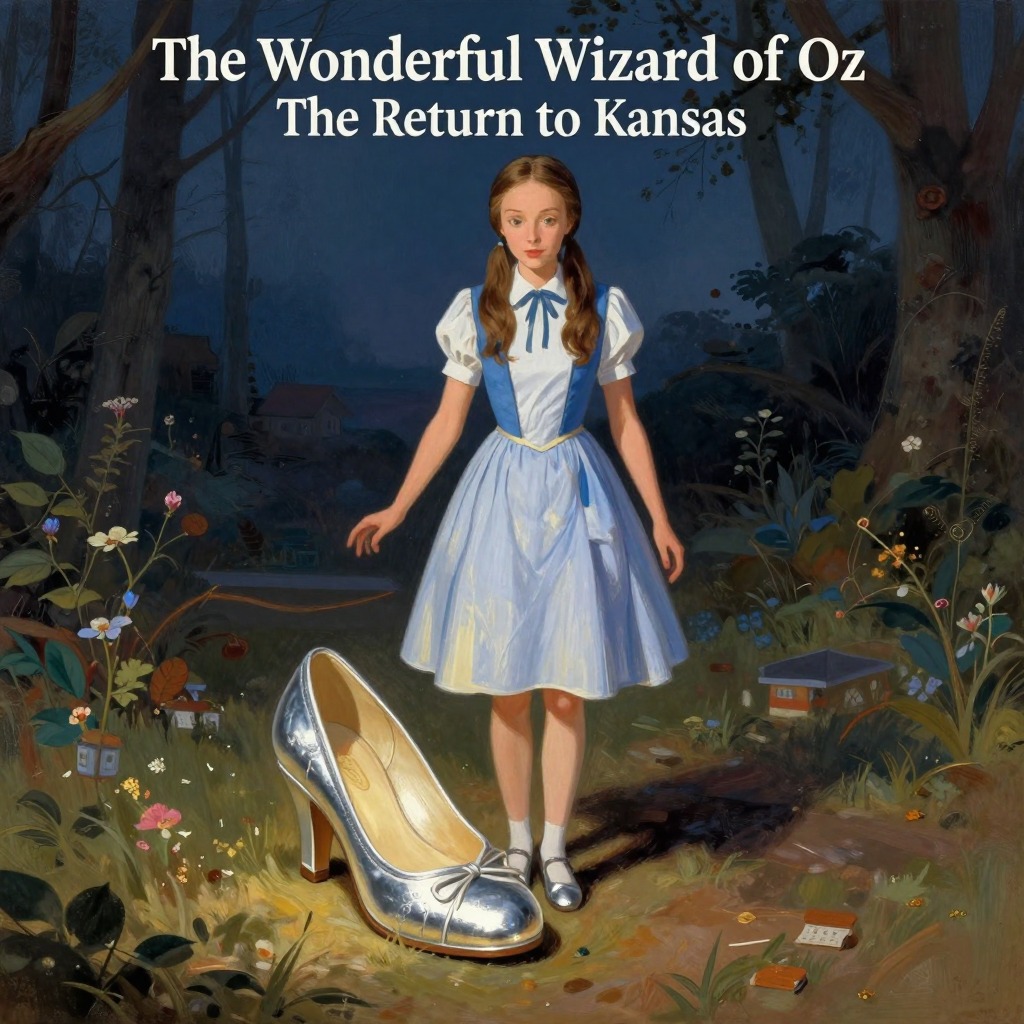
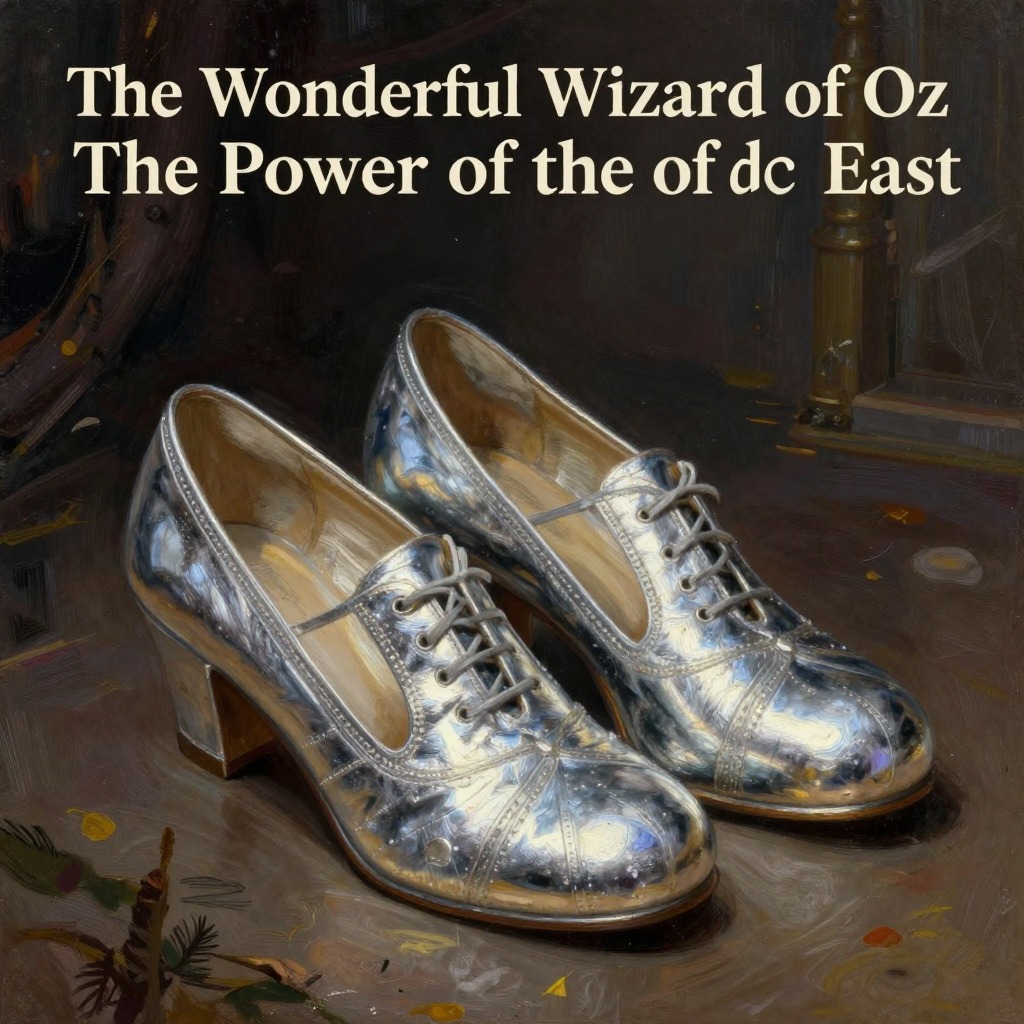
Dorothy's return to Kansas is achieved through the magic of the Silver Shoes, which Glinda reveals can carry her anywhere in the world in three steps. Clapping the heels together three times, Dorothy commands, "Take me home to Aunt Em!" Instantly, she is whirling through the air, and after three steps, she stops so suddenly that she rolls over upon the grass several times before knowing where she is. She finds herself sitting on the broad Kansas prairie, just before the new farmhouse Uncle Henry built after the cyclone carried away the old one. Uncle Henry is milking the cows in the barnyard, and Toto runs toward the barn, barking furiously. The Silver Shoes fall off in her flight and are lost forever in the desert, but Dorothy is home. Aunt Em, watering the cabbages, sees her and cries, "My darling child!" folding her in her arms. Dorothy gravely tells her, "From the Land of Oz," and adds, "And oh, Aunt Em! I'm so glad to be at home again!" The return to Kansas is not a defeat but a triumphant affirmation that the ordinary, gray prairie is, for Dorothy, the most precious place in the world.
Narrative and Thematic Significance
Kansas functions as the story's framing device and its moral center. It is the "civilized" country where, as the Witch of the North explains, there are no witches, wizards, or sorceresses left—a world of mundane reality. This stands in stark contrast to the magical, uncivilized Land of Oz, which is cut off from the rest of the world. The journey from Kansas to Oz and back again is a classic hero's journey, where the protagonist ventures into a fantastical realm, undergoes trials, gains wisdom and friends, and returns home transformed. The grayness of Kansas is not merely a physical description but a symbol of the hardships and limitations of ordinary life, yet it is precisely this life that Dorothy values above all the beauty and magic of Oz. The story's final, powerful message—"There's no place like home"—is a direct result of the contrast between the drab, familiar Kansas prairie and the vibrant, strange Land of Oz.